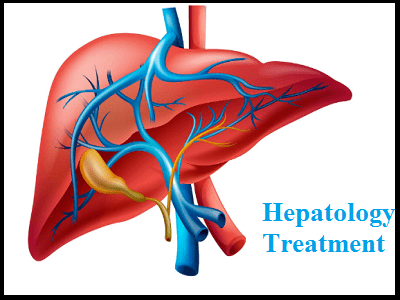
Your liver functions many critical roles for your body including:
- Bile production, which is essential to digestion.
- Filtering of toxins from your body.
- Excretion of bilirubin, cholesterol, hormones, and drugs.
- Breakdown of carbohydrates, fats, and proteins.
- Activation of enzymes.
- Storage area of glycogen (a form of sugar), minerals, and vitamins (A, D, E, and K).
- Synthesis of blood proteins, such as albumin.
Types
Hepatitis has various types, but the signs & symptoms of each are related. Hepatitis can take acute
or
chronic forms. The four main types of hepatitis are known as hepatitis A, B, and C, E. Each is
caused by
a different virus.
Hepatitis A/E
It is usually easy for most patients make a full recovery, after which they are free and therefore
protected
from the virus in the future. However, if it progresses, symptoms can be severe. There is a
vaccination
available against Hepatitis A virus.
The virus most usually spreads when you eat or drink something contaminated with faecal matter.
There is
no specific treatment for HAV/HEV. Supportive care is required under guidance of doctors to monitor
complications if any. In pregnancy Hepatitis E may cause serious illness and need to be treated
aggressively. The Hepatologist will advise the patient to abstain from alcohol and drugs during the
recovery.
Hepatitis B
Hepatitis B is spread through contact with infected blood, semen, and some other body fluids. It can
be a
sexually transmitted disease (STD).
The liver of a person affected with hepatitis B swells. This can create severe injury and the
infection
may become chronic too. This can lead to complications, including scarring of the liver, or
cirrhosis.
It may also cause a type of cancer known as hepatocellular carcinoma. There is a safe and effective
vaccine that can protect against Hepatitis B virus (HBV).
A patient with HBV requires full rest and avoid alcohol completely. The doctor may prescribe
antiviral
suppressive therapies.
Symptoms
Many people with hepatitis fill either mild or no indications. When symptoms develop, they can do so
from
15 to 180 days after infection. This rule is common for all types of hepatitis.
Acute Hepatitis
The first phase of hepatitis is called the acute phase. The indications are similar to mild flu, and
may
include:
- Diarrhoea
- Fatigue.
- Nausea and vomiting.
- Weight loss.
- Jaundice.
- Loss of appetite.
- Mild fever.
- Muscle or joint aches.
- Slight abdominal pain.
The acute phase is normal, however, it may progress to a chronic infection. This is most likely with
HBV
or HCV.
As the disease progresses, chronic hepatitis can lead to progressive liver failure, resulting in
jaundice, swelling of the lower extremities, and blood in the faeces or vomit.
Prevention
Hepatitis can be serious and tough to treat, so people are encouraged to take precautions against any
possible infection.
Preventing Hepatitis A/E
The following steps can help avoid infection:
- Wash hands with soap after using the bathroom.
- Only consume food that has just been cooked.
- Only drink boiled water.
- Get vaccinated.
Preventing Hepatitis B
To minimize the risk of transmission:
- Only use previously unused, clean needles.
- Do not share toothbrushes, razors, or manicure instruments.
- Ensure use of the well-sterilized instruments for a tattoo, piercing, or acupuncture.
- Get vaccinated.
How to Prevent Hepatitis C
To minimize the risk of transmission:
- Do not share needles, toothbrushes, or manicure equipment.
- Make sure equipment is well-sterilized for any skin piercing.
- Do not inject illegal drugs.